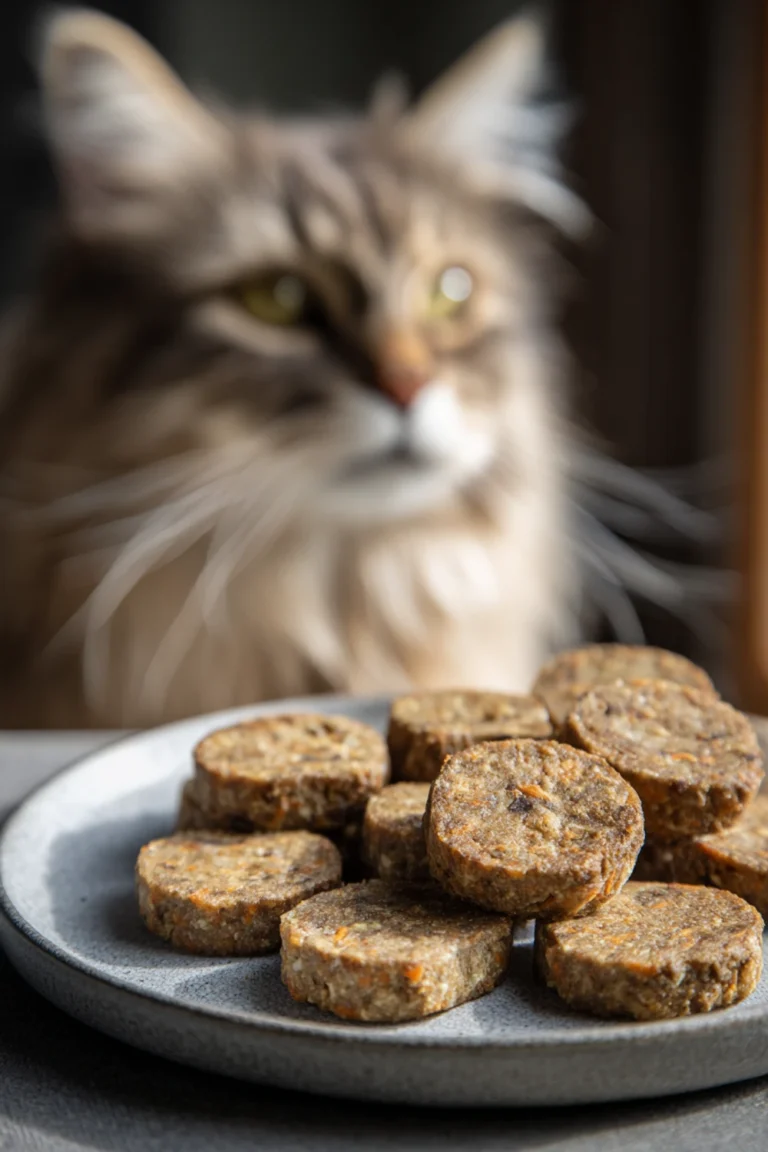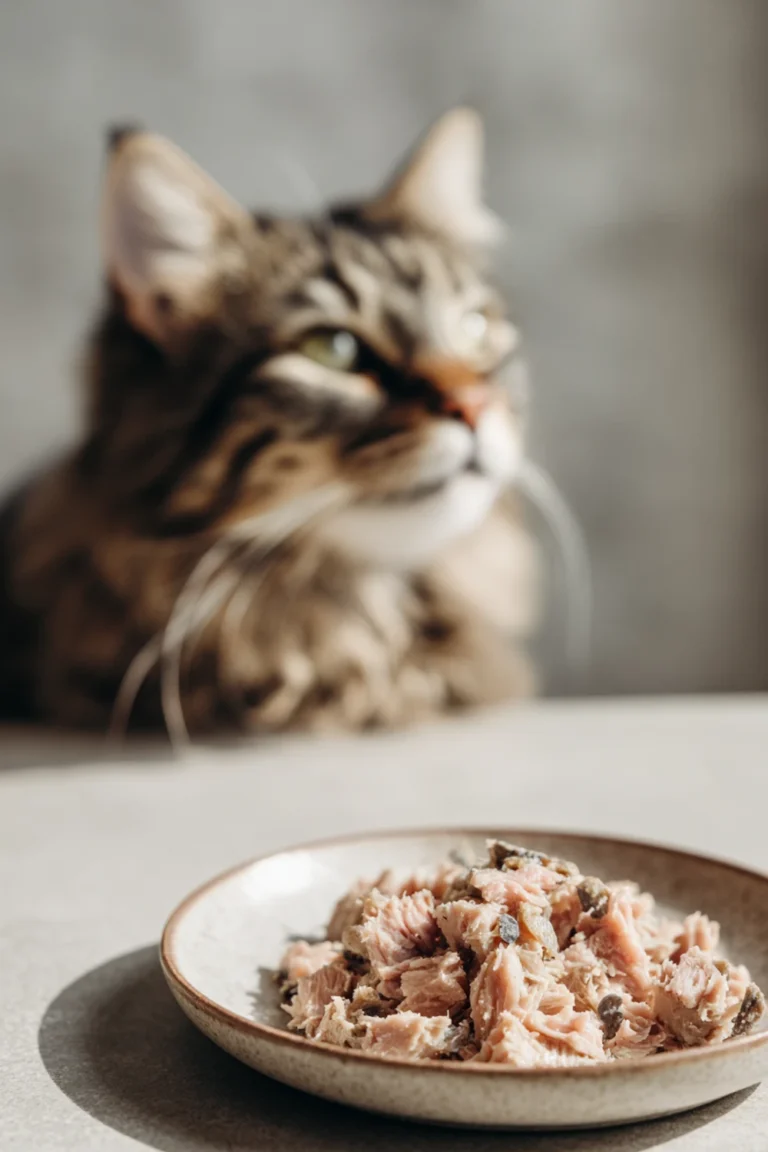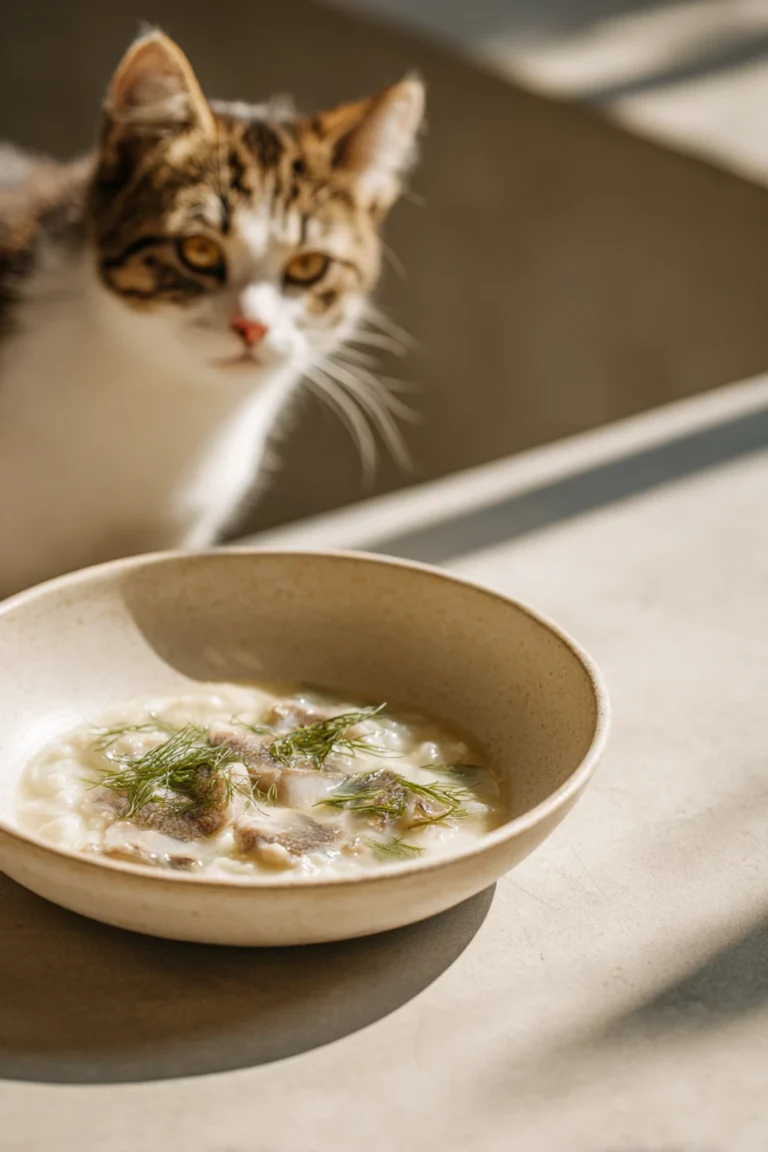
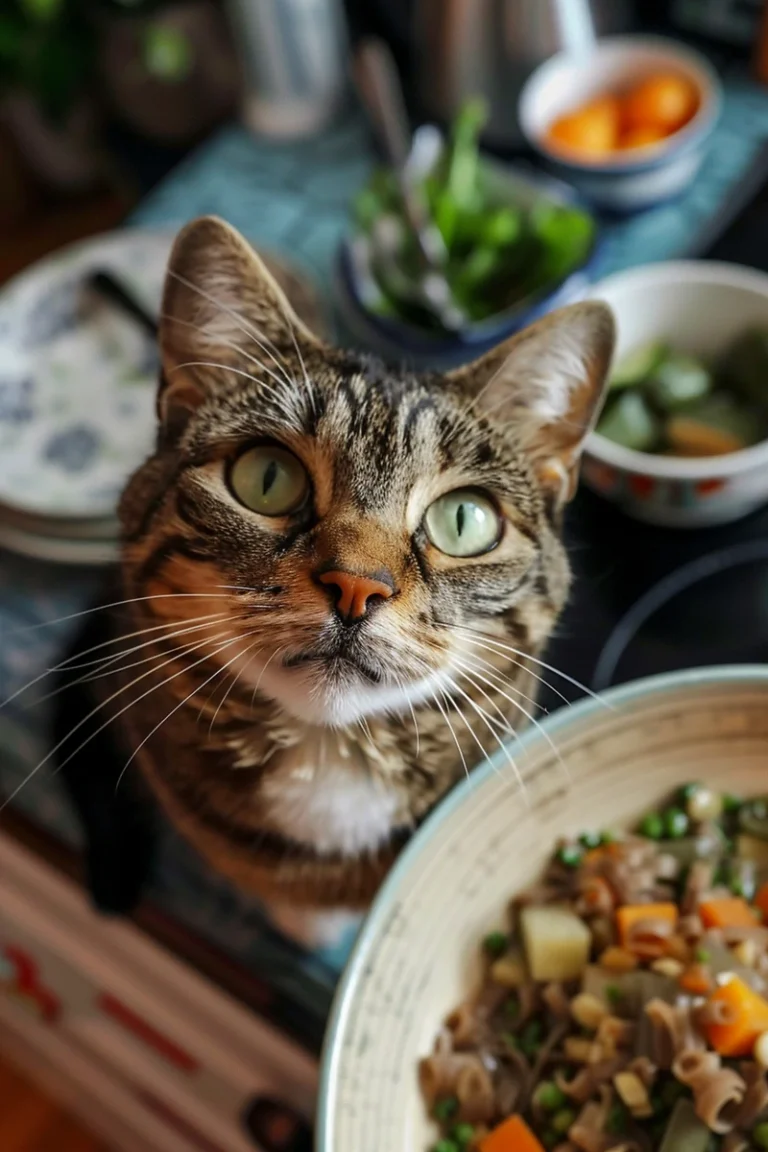
I still remember the first time I tried making a balanced homemade cat food for indoor cats recipe. My senior tabby, Muffin, was giving me that look — you know, the one that says, “Mom, those store-bought kibbles aren’t cutting it anymore.” She’d been less energetic, her coat looked a bit dull, and honestly, I felt guilty every time I read the label on her dry food. So, I rolled up my sleeves, hit the farmer’s market, and started experimenting.
And let me tell you — once I found the right balance, Muffin’s coat turned silky, her energy bounced back, and she became my little kitchen shadow every time I cooked this.
Why Indoor Cats Need a Balanced Homemade Diet
Indoor cats have it cozy — no chasing mice, no climbing fences, no sneaking bites of questionable “street snacks.” But that also means they burn fewer calories, sometimes gain extra weight, and need a diet rich in high-quality protein but lower in unnecessary carbs.
What I learned over the years is that making cat food at home isn’t just about throwing chicken in a bowl. It’s about:
- Protein for muscle maintenance (think chicken, turkey, rabbit, or fish)
- Healthy fats for energy and coat health (salmon oil, chicken fat)
- Taurine, an essential amino acid for cats’ hearts and vision (mostly from organ meats like heart or liver)
- A bit of fiber to help with digestion (especially important for hairball-prone indoor cats)
- Vitamins & minerals — some need to be added with supplements to keep it nutritionally complete
So, What’s in My Balanced Homemade Cat Food Recipe?
Here’s the mix that’s been a hit with my crew. This makes about 10 servings for an average adult indoor cat (you can freeze portions).
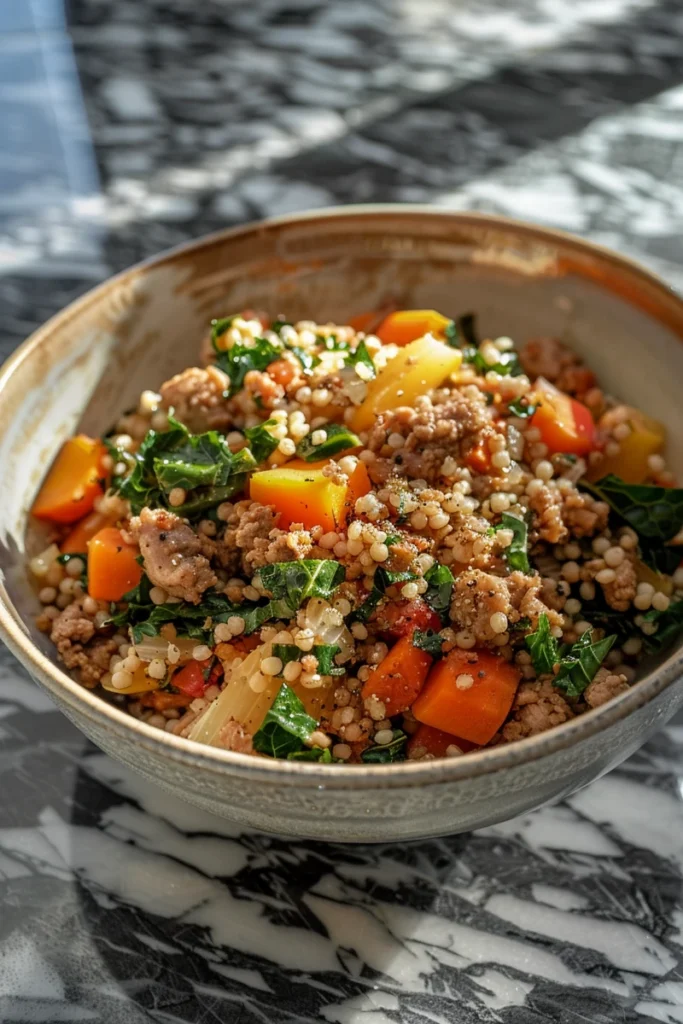
Ingredients: Nutritious Chicken & Pumpkin Cat Recipe
- 2 lbs skinless chicken thighs (with a little fat left on for flavor)
- ½ lb chicken liver (or turkey liver — super rich in taurine)
- ½ lb chicken heart (also great for taurine)
- 1 cup steamed pumpkin or butternut squash (fiber for digestion)
- 2 large eggs, lightly cooked
- 2 tsp salmon oil (omega-3s for coat & joints)
- ¼ tsp salt substitute (potassium chloride — for electrolyte balance)
- 1,000 mg taurine powder (if you’re not sure, ask your vet — some meats already have plenty)
- Optional: pinch of catnip — yes, they’ll go crazy for it!
Step-by-Step Instructions (Kitchen Tested!)
- Prep the meats – Lightly cook the chicken thighs until just done. Don’t boil them to death — you want to keep as many nutrients as possible. Same for the liver and heart. I usually steam or pan-cook them on low.
- Steam the veggies – Pumpkin or squash should be soft enough to mash. Cats don’t need a ton, but my indoor kitties handle fiber better this way.
- Cool before mixing – If you mix while hot, you’ll lose some nutrients and might cook the taurine powder, which we don’t want.
- Combine everything – Meat, liver, heart, eggs, pumpkin, salmon oil, potassium chloride, taurine powder — all in a large bowl. I use a food processor for a smoother texture since Muffin’s teeth aren’t what they used to be.
- Portion & store – Spoon into small airtight containers or ice cube trays for perfect single meals. Store in the fridge for up to 3 days or freeze for up to 2 months.
A Few Lessons I Learned the Hard Way
- Don’t skip taurine — I once tried a recipe without it (thinking the liver was enough). Within weeks, Muffin’s energy dropped. Cats can’t produce taurine on their own, and deficiency can cause serious heart problems.
- Watch the fat — Indoor cats don’t need as much fat as outdoor hunters. I made an extra-fatty batch once and ended up with a pleasantly plump (but lazy) kitty.
- Slow introductions work best — Cats can be suspicious little food critics. I start by mixing a spoonful of homemade food into their regular meal for a week before switching fully.
FAQs I Get from Other Cat Parents
Q: Can I use fish instead of chicken?
A: Yes, but not every day. Too much fish can cause a thiamine deficiency in cats. I do salmon once every couple of weeks for variety.
Q: Can kittens eat this recipe?
A: With adjustments — kittens need more calories, calcium, and fat. Always check with your vet before feeding homemade to growing cats.
Q: Can I freeze these portions?
A: Absolutely! I keep 3–4 days in the fridge and freeze the rest. Thaw overnight in the fridge before serving.
Final Thoughts (and a Little Kitchen Truth)
Making balanced homemade cat food for indoor cats isn’t as quick as opening a can, but once you get into the rhythm, it’s oddly satisfying. You control every ingredient, you know exactly what’s going into your fur baby’s body, and the health payoff is worth every minute.
Muffin, now 6 years old, still does her little “happy dance” every time I pull one of these portions from the fridge. That alone makes me keep cooking.